Getting More Precise With Water Stewardship
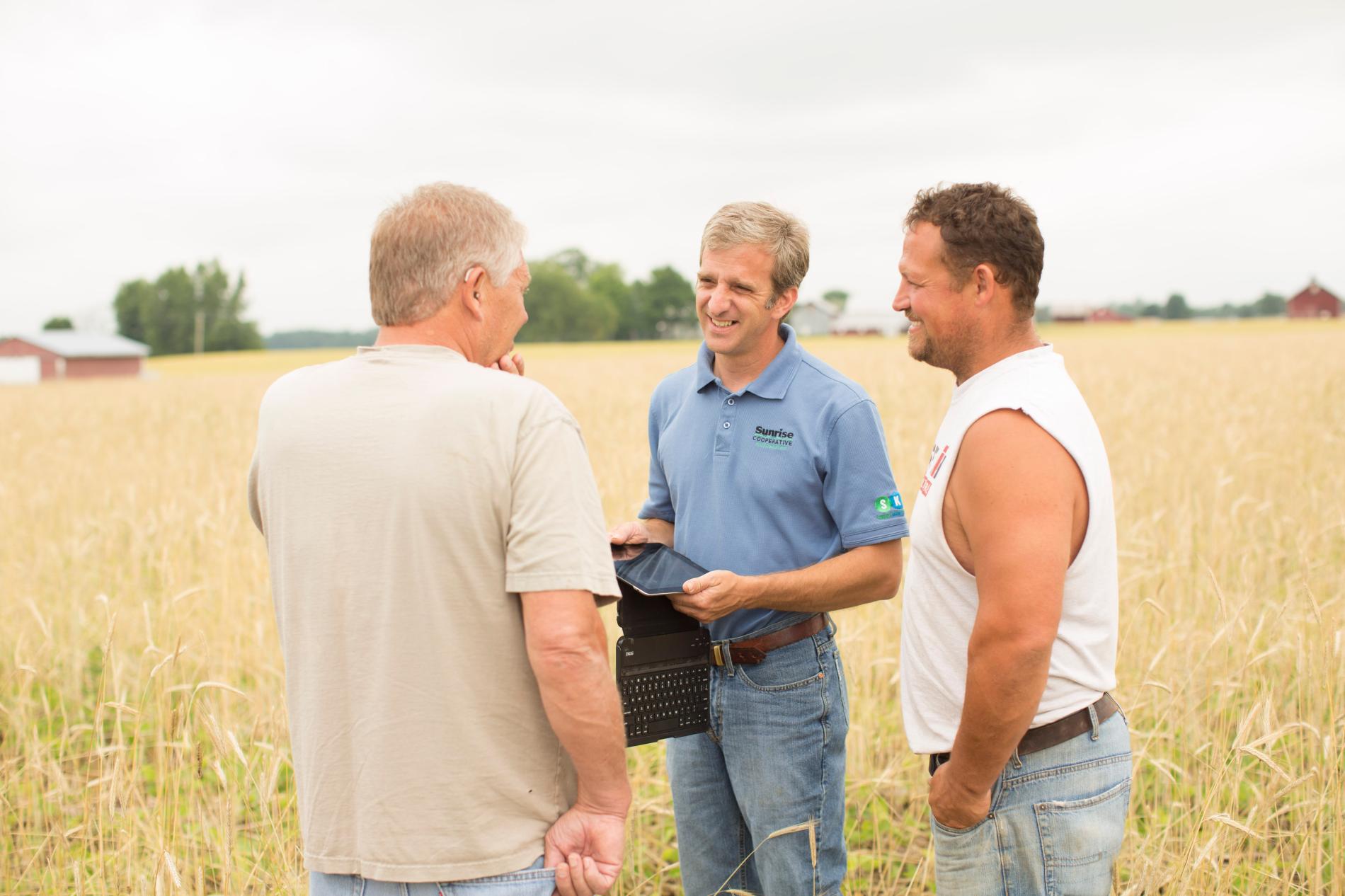
An Ohio-based agriculture cooperative uses precision tools to help protect critical watershed areas.
As the world balances a shrinking water supply with a burgeoning global population, the agriculture community is rallying to protect – and maximize – this vital resource. With critical waterways adjacent to large tracts of farm land, the agricultural community understands that proper nutrient management is a significant component in water stewardship and optimized production.
One of the leaders in water preservation efforts is Sunrise Cooperative in Fremont, Ohio. With the help of cutting-edge agriculture technology tools, Sunrise staff are safeguarding fragile waterways while increasing water-use efficiency and crop productivity.
Nutrient Management and Water Quality
First, let’s take a step back and look at how crop nutrient management impacts water quality. Nitrogen, phosphorus and other nutrients that farmers apply to the soil can dramatically improve crop yield, thereby increasing the amount of food produced without increasing the amount of land or water required. This practice makes crop nutrients a major component of feeding our growing world. But farmers have learned that more nitrogen does not always mean more bushels at harvest.
Proper nutrient management requires balancing the amount of nutrients applied with the amount of nutrients the soil can retain. Too much nitrogen or phosphorus in the soil increases the risk of nutrient pollution through agriculture runoff because excess nutrients stick to soil particles and move with the soil.
Efficient nutrient management is a win-win scenario for farmers. Preventing nutrient loss protects water quality by minimizing nutrients escaping into waterways. It also enhances profitability by reducing fertilizer costs and improves soil quality by increasing nutrient retention. Fortunately, a variety of high- and low-tech management practices can help keep nutrients where intended.
Sunrise Steps Up in Watershed Areas
Sunrise Cooperative has retail operations and farmer customers situated around the Western Lake Erie Basin (WLEB) watershed. With algae overgrowth showing up every summer along Lake Erie’s western shores, local agriculture operations, along with other non-agriculture sources, have been cited as contributors to the situation.
Craig Houin, a longtime precision agriculture advocate, is part of Sunrise’s Precision Solution (SPS) leadership team, which incorporates state-of-the-art technology in its hands-on approach to water and land stewardship. The SPS team at Sunrise is using innovative precision farming tools to launch a proactive game plan for using the right amount of crop nutrients where they belong — in the soil and out of WLEB waterways.
As part of its environmental program, Sunrise has gained 4R Nutrient Stewardship Certification from the 4R Nutrient Stewardship Council, which is a voluntary program geared toward the long-term improvement of Lake Erie’s water quality. To help reduce the impact of crop nutrients on waterways, the 4R program advocates using the right nutrient source at the right rate and right time in the right place.
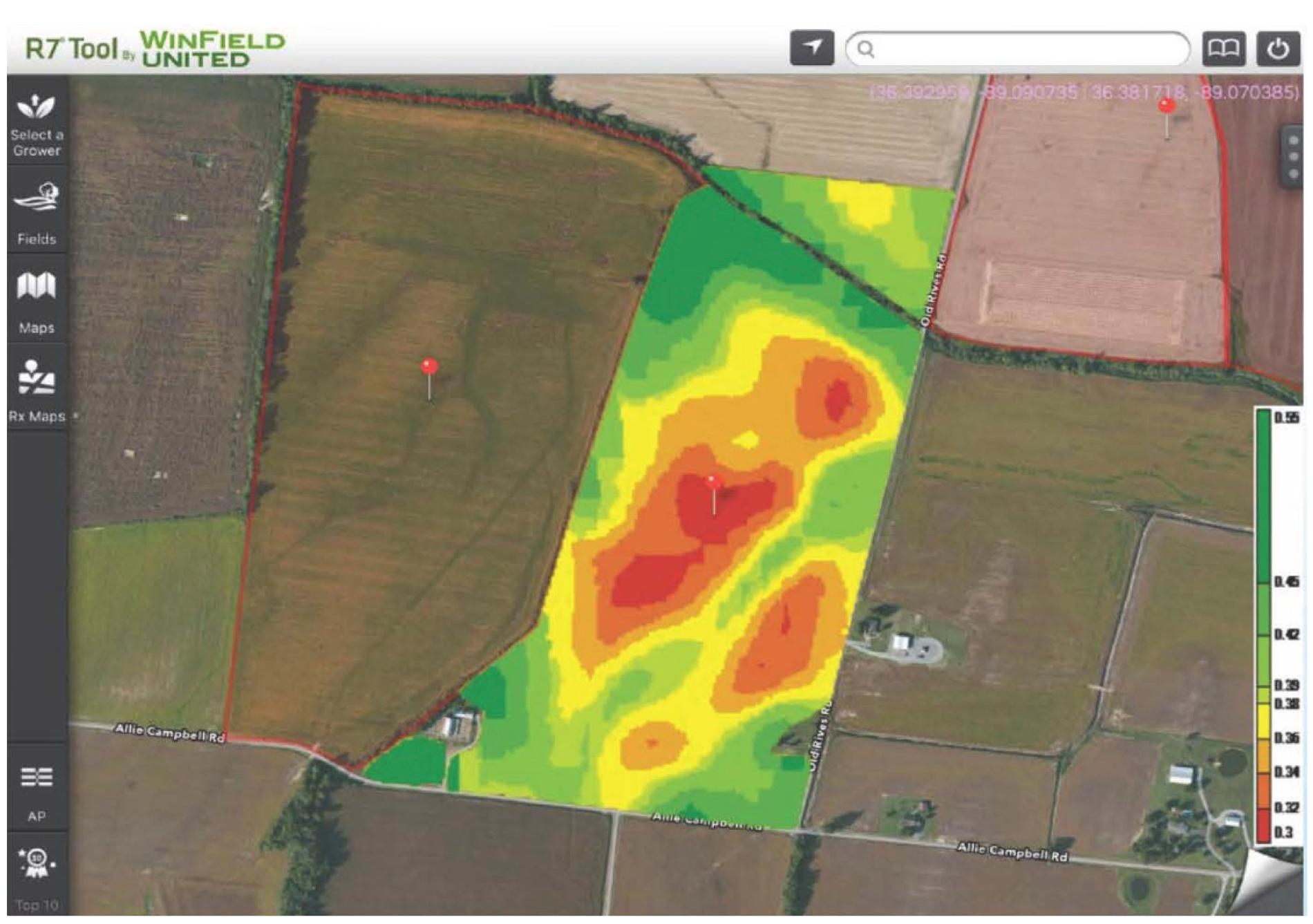
Remote sensing can produce “heat maps” that visually measure certain aspects of crop production, including soil moisture, soil fertility, soil pH and plant health.
COURTESY OF WINFIELD UNITED
New Tech Innovations
One new solution that Sunrise hopes to leverage in its nutrient stewardship efforts through remote sensing and crop modeling technology, like WinField® United’s R7® Field Forecasting Tool. Today, farmers can rely on remote sensing to accurately predict fertilizer needs at every point in a field, reducing surplus nitrogen without reducing crop yield.
The Field Forecasting Tool is particularly valuable because it delivers nitrogen and potassium tracking, which is different than most crop modeling programs that strictly address nitrogen, explains Houin. This technology also helps the SPS team manage nutrients, including water, based on weather, the type of crop being grown and other variables affecting nutrient demand, helping to grow more crops with every drop of water and pound of fertilizer.
Perhaps the tool’s biggest benefits are its tissue and soil sampling programs, according to Sunrise staff. Tissue sampling estimates crop nutrient needs by testing the nutrient concentrations in the plants themselves, which gives a nutritional snapshot of their crops’ health. Combined with geo-referenced soil samples, this provides site-specific information on soil requirements to help define the right place, the right nutrient source and the right rate, eliminating over- and under-applications, for more targeted use of resources and more efficient operations.
Visit nationalgeographic.com/unchartedwaters to test your water knowledge, and spread the word by sharing your results.
Source: National Geographic